
18 May When Mild Dyscalculia Does Not Explain the Behaviour at School
Your daughter has mild dyscalculia. The tutor is in place. So why are the behaviour points stacking up? The first assessment probably did not look at the whole picture....

Your daughter has mild dyscalculia. The tutor is in place. So why are the behaviour points stacking up? The first assessment probably did not look at the whole picture....
Two assessments. Weak working memory identified. No dyslexia, no ADHD. The pattern still does not add up. Here is what is often missed in twice exceptional teenagers....

A complete online school assessment is built from several distinct stages, each with a specific purpose. Understanding what each one contributes is the clearest way to understand the difference between a thorough assessment and a superficial one....
If dyspraxia or related processing differences are confirmed, the psychologist will outline specific strategies for school support. These may include occupational therapy for motor skills, extra time in written assessments, reduced handwriting demands, and targeted teaching methods to strengthen organisation and sequencing....
If your child learns best by listening, struggles with writing and spelling, or takes longer to complete reading tasks, an educational psychology assessment can reveal what lies beneath the difficulty....
Discover why bright children sometimes feel left behind at school and how a comprehensive educational psychology assessment can uncover their true learning needs....
A parent asked us, “Why is my son falling behind with writing and comprehension?” Our psychologists explain the hidden causes (from dyslexia to processing speed) and how a comprehensive assessment can help your child regain confidence and catch up....
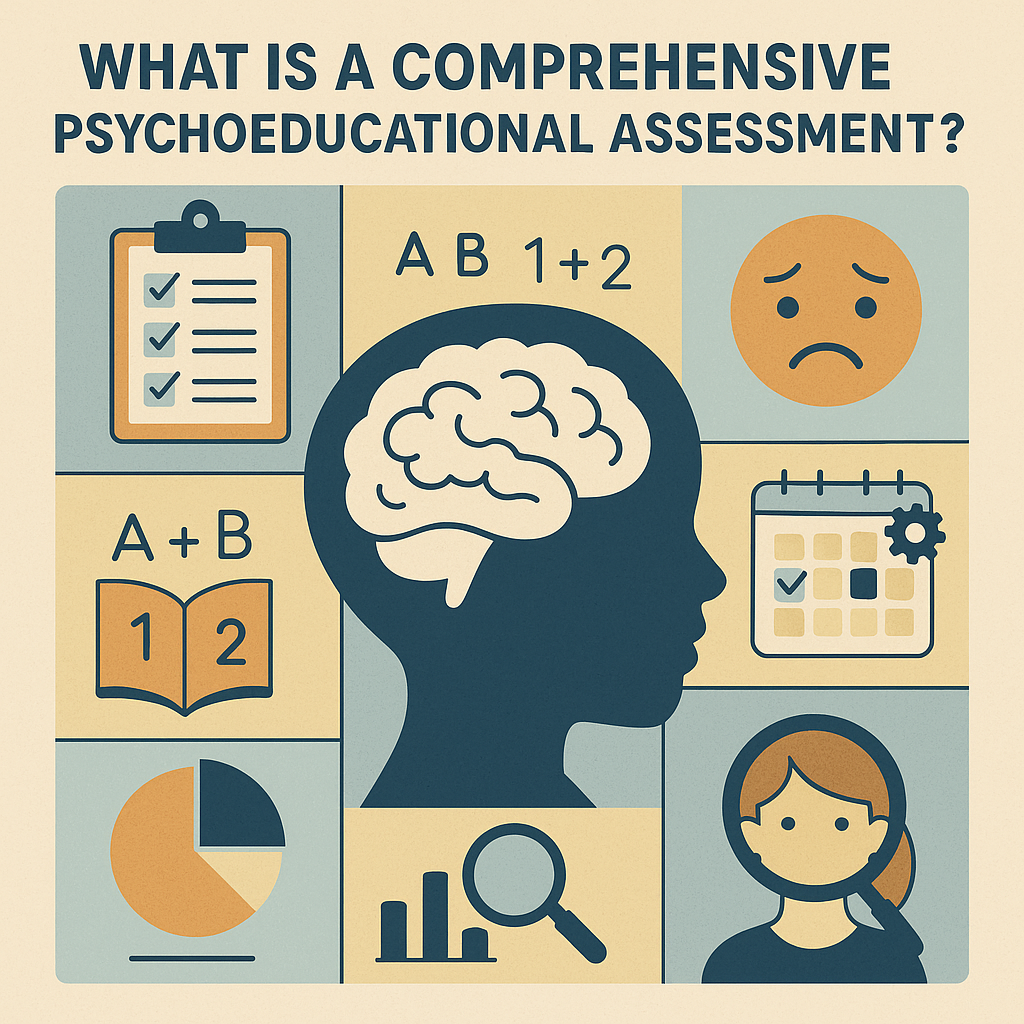
The power of this assessment lies in its integration. By examining Johanna through multiple lenses (standardized testing, behavioral rating scales, emotional measures, and real-time observations), we can identify patterns that explain her unique learning profile. For instance, it helps us distinguish whether any academic difficulties...

Uncover the subtle signs that your child is struggling in school—from dropping grades and disruptive behavior to hidden anxiety and physical complaints. This feature offers practical, actionable strategies for early intervention, empowering parents to work with teachers and professionals to support academic and emotional growth....

Early signs of learning and developmental difficulties often masquerade as ordinary childhood quirks or “laziness,” and they can emerge at any age from toddlerhood to the tumultuous teens. In fact, experts estimate that roughly 1 in 5 children struggle with some form of learning or...