
19 nóvember Skilningur á skörun ADHD og lesblindu
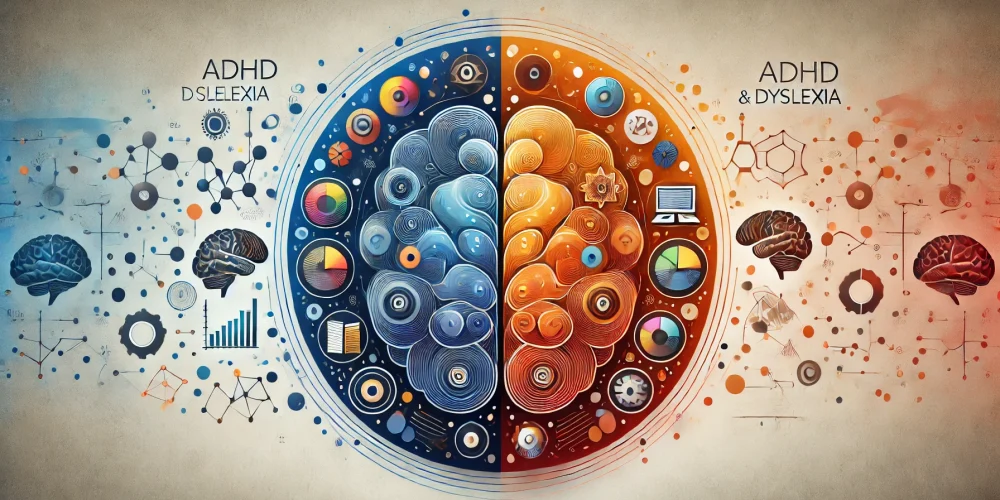
Að brúa bilið: Skilningur á skörun ADHD og lesblindu
ADHD og lesblinda eru tveir af algengustu greindustu námsmununum hjá börnum, en þær flóknu leiðir sem þær skarast eru enn að mestu misskildar, jafnvel innan vísindasamfélagsins. Rannsóknir sýna að umtalsvert hlutfall barna sem greinast með ADHD eru einnig með lesblindu eða aðra námserfiðleika og öfugt. Hins vegar, þrátt fyrir algengi þessa fylgisjúkdóms, er enn verulegur gjá í skilningi á því hvernig þessir tveir sjúkdómar hafa samskipti á tauga- og hegðunarstigi.
At Alþjóðlegt menntunarpróf, við viðurkennum hversu flókið þessar skarast greiningar eru. Með yfirgripsmiklu námssálfræðimati stefnum við að því að takast á við blæbrigðaríkar áskoranir sem nemendur standa frammi fyrir og veita sérsniðnar lausnir fyrir hámarks fræðilegan og persónulegan vöxt.
Skörun á milli ADHD og lesblindu: eftir tölum
Rannsóknir áætla að 20 til 40 prósent barna með ADHD séu einnig með lesblindu eða aðra námsörðugleika. Að sama skapi eru allt að 40 prósent barna með lesblindu í ljós með ADHD, sérstaklega athyglislausa undirtegundina. Þessi mikla fylgisjúkdómur er meira en tilviljun, hún endurspeglar sameiginlega eiginleika og hugsanlega skarast tauga- og erfðafræðilega þætti.
Þá vaknar spurningin: eru þessi börn að glíma við tvær aðskildar aðstæður, eða er tilvist annars ástands að magna einkenni sem líkja eftir hinum? Þetta „hænu eða egg“ vandamál hefur djúpstæð áhrif á hvernig kennarar, sálfræðingar og foreldrar nálgast íhlutun og stuðning.
Topp 12 skörun ADHD og lesblindu:
- Erfiðleikar með fókus
- Hægur vinnsluhraði
- Áskoranir í lestri
- Málefni framkvæmdastjórnar
- Gremja og forðast
- Lélegur námsárangur
- Vinnuminnisskortur
- Hvatvísi í svörum
- Kvíði vegna skólastarfs
- Erfiðleikar við að fylgja leiðbeiningum
- Félagslegar áskoranir
- Skörun í erfðafræði
Vísindin á bak við skörunina
Til að skilja tengsl ADHD og lesblindu er nauðsynlegt að kafa ofan í heilarannsóknir í kringum þessar aðstæður. Lesblinda tengist fyrst og fremst mismun í vinstra heilahveli, sérstaklega á svæðum sem bera ábyrgð á málvinnslu. Þar á meðal eru svæði aftast í heilanum sem sjá um hljóðfræðilega úrvinnslu (getan til að afkóða hljóð) og stafræna úrvinnslu (getan til að þekkja orð og stafi sjónrænt).
Á hinn bóginn, ADHD er tengt ennisblaði heilans, svæði sem ber ábyrgð á framkvæmd framkvæmda. Þetta felur í sér færni eins og skipulag, hvatastjórnun, athyglisstjórnun og sveigjanlega hugsun. Þó að taugafræðilegur munur á ADHD og lesblindu virðist vera greinilegur, geta einkennin oft skarast. Til dæmis:
- Barn með lesblindu getur sýnt ADHD-líka hegðun vegna gremju með fræðileg verkefni, sem leiðir til athyglisleysis eða truflandi hegðunar í bekknum.
- Aftur á móti getur barn með ADHD fengið lesblindulík einkenni vegna ósamræmis við lestrar- og ritunarverkefni, sem stafar af erfiðleikum með að viðhalda einbeitingu.
Þessir samtvinnuðu eiginleikar skapa áskoranir fyrir nákvæma greiningu og íhlutun, sem undirstrikar þörfina fyrir samþættari rannsóknar- og matsaðferðir.
Hlutverk erfðafræðinnar
Nýlegar rannsóknir benda einnig til hugsanlegrar erfðafræðilegrar skörunar á milli ADHD og lesblindu. Þó að enn sé verið að rannsaka nákvæmlega genin sem taka þátt, benda vísbendingar til þess að ákveðin erfðamerki geti gert börn tilhneigingu til beggja sjúkdóma. Þessi sameiginlegi erfðafræðilegi grundvöllur undirstrikar mikilvægi þess að takast á við þessar aðstæður saman, frekar en að meðhöndla þau sem algjörlega aðskildar einingar.
Hjá Global Education Testing endurspeglar nálgun okkar þennan skilning. By gera heildrænt og alhliða mat, greinum við ekki aðeins tilvist ADHD eða lesblindu heldur einnig undirliggjandi þætti sem stuðla að baráttu barns.
Að brjóta hringinn: Kjúklinga- eða eggvandamálið
Einn vandræðalegasti þáttur ADHD og lesblindu er að ákvarða hvaða ástand veldur einkennum hins. Til dæmis:
- Barn með ómeðhöndlaða lesblindu getur átt í erfiðleikum með lestrarverkefni, sem leiðir til gremju, afskiptaleysis og hegðunar sem líkist ADHD.
- Á sama hátt getur barn með ADHD átt í erfiðleikum með að halda einbeitingu í lestrarkennslu, sem leiðir til lélegrar lestrarárangurs sem líkir eftir lesblindu.
Þetta samspil leiðir oft til rangrar greiningar eða ófullnægjandi inngripa. Til dæmis getur barn verið ávísað ADHD lyfjum án þess að fá þann lestrarstuðning sem þarf fyrir lesblindu, eða öfugt. Í sumum tilfellum getur það dregið úr einkennum hins að takast á við eitt ástand á áhrifaríkan hátt. Til dæmis gæti markviss inngrip við lesblindu dregið úr þörf á ADHD lyfjum hjá ákveðnum börnum.
Hins vegar eru einnig tilvik þar sem tvíþætt inngrip eru nauðsynleg. Þetta undirstrikar þörfina á persónulegu, gagnastýrðu mati til að ákvarða bestu leiðina fyrir hvert barn.
Mikilvægi alhliða mats
Einstök nálgun á ADHD og lesblindu er í besta falli árangurslaus og í versta falli skaðleg. Alhliða sálfræðimat skiptir sköpum til að skilja hið einstaka samspil þessara aðstæðna hjá hverju barni.
Hjá Global Education Testing fara mat okkar út fyrir yfirborðsgreiningu til að afhjúpa:
- Vitsmunalegir styrkleikar og veikleikar: Að bera kennsl á svæði eins og vinnsluhraða, minni og framkvæmdavirkni.
- Fræðilegar áskoranir: Að benda á sérstaka erfiðleika í lestri, ritun eða stærðfræði sem gætu tengst lesblindu eða öðrum námsmun.
- Tilfinninga- og hegðunarþættir: Metið hvernig kvíði, gremja eða önnur tilfinningaleg viðbrögð geta haft áhrif á námsárangur.
Með því að taka heildræna sýn á prófíl hvers barns gefum við raunhæfar ráðleggingar sem taka á einstökum þörfum þess og tryggja að þau fái rétta samsetningu stuðnings.
The Path Forward: Samþættur stuðningur við ADHD og dyslexíu
Lokamarkmiðið er að stefna í átt að samþættri nálgun á ADHD og lesblindu sem tekur mið af sameiginlegum eiginleikum þeirra á meðan að takast á við mismunandi áskoranir þeirra. Þetta felur í sér:
- Samvinnurannsóknir: Að brúa bilið í núverandi bókmenntum til að skilja betur taugafræðileg og erfðafræðileg tengsl ADHD og lesblindu.
- Sérsniðin inngrip: Þróa inngrip sem miða að báðum aðstæðum samtímis þegar þörf krefur, frekar en að meðhöndla þau í einangrun.
- Kennaraþjálfun: Að útbúa kennara með verkfæri og þekkingu til að þekkja einkenni ADHD og lesblindu og innleiða aðferðir í kennslustofunni sem styðja nemendur sem hafa áhrif.
Hvernig alþjóðleg menntunarpróf geta hjálpað
Fjölskyldur sem rata í margbreytileika ADHD og lesblindu þurfa ekki að gera það einar. Hjá Global Education Testing bjóðum við upp á:
- Alþjóðlega viðurkennd mat: Mat okkar uppfyllir ströngustu kröfur sem krafist er af skólum og háskólum um allan heim, sem tryggir að nemendur fái þá gistingu sem þeir þurfa til að ná árangri.
- Sérsniðnar skýrslur: Við skilum ítarlegri innsýn í styrkleika og áskoranir hvers barns, ásamt hagnýtum aðferðum til umbóta.
- Hagsmunagæsla fyrir gistingu: Allt frá því að tryggja sér aukatíma í prófum til að mæla með hjálpartækjum, við hjálpum fjölskyldum að opna alla möguleika barnsins síns.
Skörun ADHD og lesblindu skapar einstaka áskoranir, en hún býður einnig upp á tækifæri til vaxtar og skilnings. Með því að takast á við þessar aðstæður á heildrænan hátt getum við styrkt nemendur til að yfirstíga hindranir, byggja upp sjálfstraust og ná námsárangri.

Alexander Bentley-Sutherland er forstjóri Global Education Testing, leiðandi veitandi námsþróunarprófa sem eru sérsniðin sérstaklega fyrir alþjóða- og einkaskólasamfélagið um allan heim.
- Alexander Bentley-Sutherland
- Alexander Bentley-Sutherland
- Alexander Bentley-Sutherland
- Alexander Bentley-Sutherland
- Alexander Bentley-Sutherland
- Alexander Bentley-Sutherland
- Alexander Bentley-Sutherland
- Alexander Bentley-Sutherland
- Alexander Bentley-Sutherland
- Alexander Bentley-Sutherland
- Alexander Bentley-Sutherland
- Alexander Bentley-Sutherland
- Alexander Bentley-Sutherland
- Alexander Bentley-Sutherland
- Alexander Bentley-Sutherland
- Alexander Bentley-Sutherland
- Alexander Bentley-Sutherland
- Alexander Bentley-Sutherland
- Alexander Bentley-Sutherland
- Alexander Bentley-Sutherland
- Alexander Bentley-Sutherland
- Alexander Bentley-Sutherland
- Alexander Bentley-Sutherland
- Alexander Bentley-Sutherland
- Alexander Bentley-Sutherland
- Alexander Bentley-Sutherland
- Alexander Bentley-Sutherland
- Alexander Bentley-Sutherland
- Alexander Bentley-Sutherland
- Alexander Bentley-Sutherland
- Alexander Bentley-Sutherland
- Alexander Bentley-Sutherland
- Alexander Bentley-Sutherland
- Alexander Bentley-Sutherland
- Alexander Bentley-Sutherland
- Alexander Bentley-Sutherland
- Alexander Bentley-Sutherland
- Alexander Bentley-Sutherland
- Alexander Bentley-Sutherland
- Alexander Bentley-Sutherland
- Alexander Bentley-Sutherland
- Alexander Bentley-Sutherland
- Alexander Bentley-Sutherland
- Alexander Bentley-Sutherland
- Alexander Bentley-Sutherland
- Alexander Bentley-Sutherland
- Alexander Bentley-Sutherland
- Alexander Bentley-Sutherland
- Alexander Bentley-Sutherland
- Alexander Bentley-Sutherland
- Alexander Bentley-Sutherland
- Alexander Bentley-Sutherland
- Alexander Bentley-Sutherland
- Alexander Bentley-Sutherland
- Alexander Bentley-Sutherland
- Alexander Bentley-Sutherland
- Alexander Bentley-Sutherland
- Alexander Bentley-Sutherland
- Alexander Bentley-Sutherland
- Alexander Bentley-Sutherland
- Alexander Bentley-Sutherland
- Alexander Bentley-Sutherland
- Alexander Bentley-Sutherland
- Alexander Bentley-Sutherland
- Alexander Bentley-Sutherland
- Alexander Bentley-Sutherland
- Alexander Bentley-Sutherland
- Alexander Bentley-Sutherland
- Alexander Bentley-Sutherland
- Alexander Bentley-Sutherland
- Alexander Bentley-Sutherland
- Alexander Bentley-Sutherland
- Alexander Bentley-Sutherland
- Alexander Bentley-Sutherland
- Alexander Bentley-Sutherland
- Alexander Bentley-Sutherland
- Alexander Bentley-Sutherland
- Alexander Bentley-Sutherland
- Alexander Bentley-Sutherland
- Alexander Bentley-Sutherland
- Alexander Bentley-Sutherland
- Alexander Bentley-Sutherland
- Alexander Bentley-Sutherland
- Alexander Bentley-Sutherland
- Alexander Bentley-Sutherland
- Alexander Bentley-Sutherland
- Alexander Bentley-Sutherland
- Alexander Bentley-Sutherland
- Alexander Bentley-Sutherland
- Alexander Bentley-Sutherland
- Alexander Bentley-Sutherland
- Alexander Bentley-Sutherland
- Alexander Bentley-Sutherland
- Alexander Bentley-Sutherland
- Alexander Bentley-Sutherland
- Alexander Bentley-Sutherland
- Alexander Bentley-Sutherland
- Alexander Bentley-Sutherland
- Alexander Bentley-Sutherland
- Alexander Bentley-Sutherland
- Alexander Bentley-Sutherland
- Alexander Bentley-Sutherland
- Alexander Bentley-Sutherland
- Alexander Bentley-Sutherland
- Alexander Bentley-Sutherland
- Alexander Bentley-Sutherland
- Alexander Bentley-Sutherland
- Alexander Bentley-Sutherland
- Alexander Bentley-Sutherland
- Alexander Bentley-Sutherland
- Alexander Bentley-Sutherland
- Alexander Bentley-Sutherland
- Alexander Bentley-Sutherland
- Alexander Bentley-Sutherland
- Alexander Bentley-Sutherland
- Alexander Bentley-Sutherland
- Alexander Bentley-Sutherland
- Alexander Bentley-Sutherland
- Alexander Bentley-Sutherland
- Alexander Bentley-Sutherland
- Alexander Bentley-Sutherland
- Alexander Bentley-Sutherland
- Alexander Bentley-Sutherland
- Alexander Bentley-Sutherland
- Alexander Bentley-Sutherland
- Alexander Bentley-Sutherland
- Alexander Bentley-Sutherland
- Alexander Bentley-Sutherland
- Alexander Bentley-Sutherland
- Alexander Bentley-Sutherland
- Alexander Bentley-Sutherland
- Alexander Bentley-Sutherland
- Alexander Bentley-Sutherland
- Alexander Bentley-Sutherland
- Alexander Bentley-Sutherland
- Alexander Bentley-Sutherland
- Alexander Bentley-Sutherland
- Alexander Bentley-Sutherland
- Alexander Bentley-Sutherland
- Alexander Bentley-Sutherland
- Alexander Bentley-Sutherland
- Alexander Bentley-Sutherland
- Alexander Bentley-Sutherland
- Alexander Bentley-Sutherland
- Alexander Bentley-Sutherland
- Alexander Bentley-Sutherland
- Alexander Bentley-Sutherland
- Alexander Bentley-Sutherland
- Alexander Bentley-Sutherland
- Alexander Bentley-Sutherland
- Alexander Bentley-Sutherland
- Alexander Bentley-Sutherland
- Alexander Bentley-Sutherland
- Alexander Bentley-Sutherland
- Alexander Bentley-Sutherland
- Alexander Bentley-Sutherland
- Alexander Bentley-Sutherland
- Alexander Bentley-Sutherland
- Alexander Bentley-Sutherland
- Alexander Bentley-Sutherland
- Alexander Bentley-Sutherland
- Alexander Bentley-Sutherland
- Alexander Bentley-Sutherland
- Alexander Bentley-Sutherland
- Alexander Bentley-Sutherland
- Alexander Bentley-Sutherland
- Alexander Bentley-Sutherland
- Alexander Bentley-Sutherland
- Alexander Bentley-Sutherland
- Alexander Bentley-Sutherland
- Alexander Bentley-Sutherland
- Alexander Bentley-Sutherland
- Alexander Bentley-Sutherland
- Alexander Bentley-Sutherland
- Alexander Bentley-Sutherland
- Alexander Bentley-Sutherland
- Alexander Bentley-Sutherland
- Alexander Bentley-Sutherland
- Alexander Bentley-Sutherland
- Alexander Bentley-Sutherland
- Alexander Bentley-Sutherland
- Alexander Bentley-Sutherland
- Alexander Bentley-Sutherland
- Alexander Bentley-Sutherland
- Alexander Bentley-Sutherland
- Alexander Bentley-Sutherland
- Alexander Bentley-Sutherland
- Alexander Bentley-Sutherland
- Alexander Bentley-Sutherland
- Alexander Bentley-Sutherland
- Alexander Bentley-Sutherland
- Alexander Bentley-Sutherland
- Alexander Bentley-Sutherland
- Alexander Bentley-Sutherland
- Alexander Bentley-Sutherland
- Alexander Bentley-Sutherland
- Alexander Bentley-Sutherland
- Alexander Bentley-Sutherland
- Alexander Bentley-Sutherland
- Alexander Bentley-Sutherland
- Alexander Bentley-Sutherland
- Alexander Bentley-Sutherland
- Alexander Bentley-Sutherland
- Alexander Bentley-Sutherland
- Alexander Bentley-Sutherland
- Alexander Bentley-Sutherland
- Alexander Bentley-Sutherland
- Alexander Bentley-Sutherland
- Alexander Bentley-Sutherland
- Alexander Bentley-Sutherland
- Alexander Bentley-Sutherland
- Alexander Bentley-Sutherland
- Alexander Bentley-Sutherland
- Alexander Bentley-Sutherland
- Alexander Bentley-Sutherland
- Alexander Bentley-Sutherland
- Alexander Bentley-Sutherland
- Alexander Bentley-Sutherland
- Alexander Bentley-Sutherland
- Alexander Bentley-Sutherland
- Alexander Bentley-Sutherland
- Alexander Bentley-Sutherland
- Alexander Bentley-Sutherland
- Alexander Bentley-Sutherland
- Alexander Bentley-Sutherland
- Alexander Bentley-Sutherland
- Alexander Bentley-Sutherland
- Alexander Bentley-Sutherland
- Alexander Bentley-Sutherland
- Alexander Bentley-Sutherland
- Alexander Bentley-Sutherland
- Alexander Bentley-Sutherland
- Alexander Bentley-Sutherland
- Alexander Bentley-Sutherland
- Alexander Bentley-Sutherland
- Alexander Bentley-Sutherland
- Alexander Bentley-Sutherland
- Alexander Bentley-Sutherland
- Alexander Bentley-Sutherland
- Alexander Bentley-Sutherland
- Alexander Bentley-Sutherland
- Alexander Bentley-Sutherland
- Alexander Bentley-Sutherland
- Alexander Bentley-Sutherland
- Alexander Bentley-Sutherland
- Alexander Bentley-Sutherland
- Alexander Bentley-Sutherland
- Alexander Bentley-Sutherland
- Alexander Bentley-Sutherland
- Alexander Bentley-Sutherland
- Alexander Bentley-Sutherland
- Alexander Bentley-Sutherland
- Alexander Bentley-Sutherland
- Alexander Bentley-Sutherland
- Alexander Bentley-Sutherland
- Alexander Bentley-Sutherland
- Alexander Bentley-Sutherland
- Alexander Bentley-Sutherland
- Alexander Bentley-Sutherland
- Alexander Bentley-Sutherland
- Alexander Bentley-Sutherland
- Alexander Bentley-Sutherland
- Alexander Bentley-Sutherland
- Alexander Bentley-Sutherland
- Alexander Bentley-Sutherland
- Alexander Bentley-Sutherland
- Alexander Bentley-Sutherland
- Alexander Bentley-Sutherland
- Alexander Bentley-Sutherland
- Alexander Bentley-Sutherland
- Alexander Bentley-Sutherland
- Alexander Bentley-Sutherland
- Alexander Bentley-Sutherland
- Alexander Bentley-Sutherland
- Alexander Bentley-Sutherland
- Alexander Bentley-Sutherland
- Alexander Bentley-Sutherland
- Alexander Bentley-Sutherland
- Alexander Bentley-Sutherland
- Alexander Bentley-Sutherland
- Alexander Bentley-Sutherland