
19 Nov Understanding the Overlap Between ADHD and Dyslexia
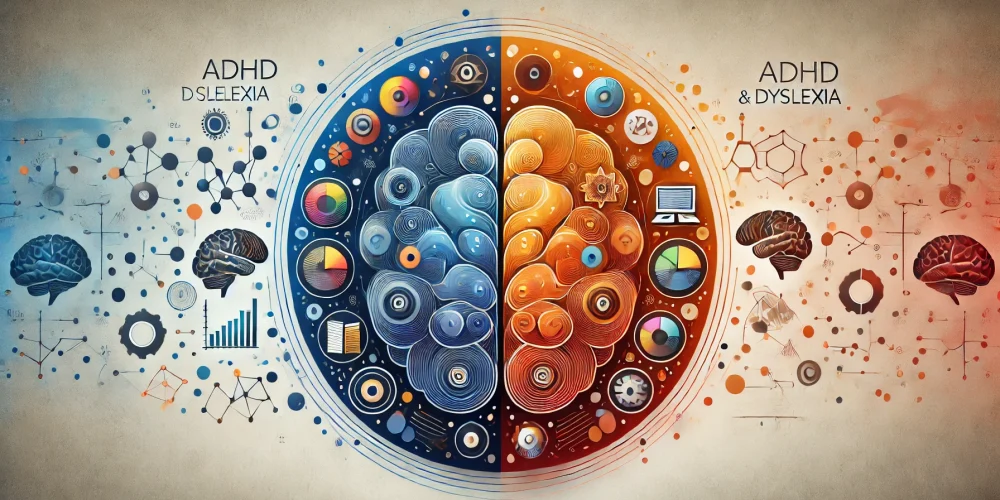
Bridging the Gap: Understanding the Overlap Between ADHD and Dyslexia
ADHD and dyslexia are two of the most commonly diagnosed learning differences in children, but the intricate ways they overlap remain largely misunderstood, even within the scientific community. Research shows that a significant percentage of children diagnosed with ADHD also have dyslexia or other learning difficulties, and vice versa. However, despite the prevalence of this comorbidity, there remains a significant gap in understanding how the two conditions interact at a neurological and behavioral level.
At Global Education Testing, we recognize the complexity of these overlapping diagnoses. Through comprehensive educational psychology assessments, we aim to address the nuanced challenges that students face and provide tailored solutions for optimal academic and personal growth.
The Overlap Between ADHD and Dyslexia: By the Numbers
Studies estimate that 20 to 40 percent of children with ADHD also have dyslexia or another learning difficulty. Similarly, up to 40 percent of children with dyslexia are found to have ADHD, particularly the inattentive subtype. This high comorbidity is more than a coincidence, it reflects shared traits and potentially overlapping neurological and genetic factors.
The question then arises: are these children struggling with two distinct conditions, or is the presence of one condition amplifying symptoms that mimic the other? This “chicken or egg” dilemma has profound implications for how educators, psychologists, and parents approach intervention and support.
Top 12 Overlaps Between ADHD and Dyslexia:
- Difficulty with Focus
- Slow Processing Speed
- Challenges in Reading
- Executive Functioning Issues
- Frustration and Avoidance
- Poor Academic Performance
- Working Memory Deficits
- Impulsivity in Responses
- Anxiety About Schoolwork
- Difficulty Following Instructions
- Social Challenges
- Overlap in Genetics
The Science Behind the Overlap
To understand the connection between ADHD and dyslexia, it’s essential to delve into the brain research surrounding these conditions. Dyslexia is primarily associated with differences in the left hemisphere of the brain, specifically in areas responsible for language processing. These include regions at the back of the brain that handle phonological processing (the ability to decode sounds) and orthographic processing (the ability to visually recognize words and letters).
On the other hand, ADHD is linked to the brain’s frontal lobe, the area responsible for executive functioning. This includes skills such as organization, impulse control, attention regulation, and flexible thinking. While the neurological differences between ADHD and dyslexia appear distinct, the symptoms can often overlap. For example:
- A child with dyslexia may exhibit ADHD-like behaviors due to frustration with academic tasks, leading to inattentiveness or disruptive behavior in class.
- Conversely, a child with ADHD may develop dyslexia-like symptoms due to inconsistent engagement with reading and writing tasks, stemming from difficulty maintaining focus.
These intertwined characteristics create challenges for accurate diagnosis and intervention, underscoring the need for more integrated research and assessment approaches.
The Role of Genetics
Emerging research also points to potential genetic overlaps between ADHD and dyslexia. While the exact genes involved are still being studied, evidence suggests that certain genetic markers may predispose children to both conditions. This shared genetic basis highlights the importance of addressing these conditions together, rather than treating them as entirely separate entities.
At Global Education Testing, our approach reflects this understanding. By conducting holistic and comprehensive assessments, we identify not only the presence of ADHD or dyslexia but also the underlying factors contributing to a child’s struggles.
Breaking the Cycle: The Chicken or Egg Dilemma
One of the most perplexing aspects of ADHD and dyslexia is determining which condition is driving the other’s symptoms. For example:
- A child with untreated dyslexia may struggle with reading tasks, leading to frustration, disengagement, and behaviors that resemble ADHD.
- Similarly, a child with ADHD may struggle to sustain focus during reading lessons, resulting in poor reading performance that mimics dyslexia.
This interplay often leads to misdiagnoses or incomplete interventions. For instance, a child may be prescribed ADHD medication without receiving the reading support needed for dyslexia, or vice versa. In some cases, addressing one condition effectively may alleviate the symptoms of the other. For example, providing targeted interventions for dyslexia could reduce the need for ADHD medication in certain children.
However, there are also cases where dual interventions are necessary. This underscores the need for personalized, data-driven assessments to determine the best course of action for each child.
The Importance of Comprehensive Assessments
A one-size-fits-all approach to ADHD and dyslexia is ineffective at best and harmful at worst. Comprehensive educational psychology assessments are crucial for understanding the unique interplay of these conditions in each child.
At Global Education Testing, our assessments go beyond surface-level diagnostics to uncover:
- Cognitive Strengths and Weaknesses: Identifying areas such as processing speed, memory, and executive functioning.
- Academic Challenges: Pinpointing specific difficulties in reading, writing, or math that may be linked to dyslexia or other learning differences.
- Emotional and Behavioral Factors: Evaluating how anxiety, frustration, or other emotional responses may be influencing academic performance.
By taking a holistic view of each child’s profile, we provide actionable recommendations that address their unique needs, ensuring they receive the right combination of support.
The Path Forward: Integrated Support for ADHD and Dyslexia
The ultimate goal is to move toward an integrated approach to ADHD and dyslexia that considers their shared traits while addressing their distinct challenges. This includes:
- Collaborative Research: Bridging the gap in existing literature to better understand the neurological and genetic connections between ADHD and dyslexia.
- Tailored Interventions: Developing interventions that target both conditions simultaneously when necessary, rather than treating them in isolation.
- Educator Training: Equipping teachers with the tools and knowledge to recognize the signs of ADHD and dyslexia and implement classroom strategies that support affected students.
How Global Education Testing Can Help
Families navigating the complexities of ADHD and dyslexia don’t have to do so alone. At Global Education Testing, we provide:
- Internationally Recognized Assessments: Our evaluations meet the highest standards required by schools and universities worldwide, ensuring students receive the accommodations they need to succeed.
- Customized Reports: We deliver detailed insights into each child’s strengths and challenges, along with practical strategies for improvement.
- Advocacy for Accommodations: From securing extra time in exams to recommending assistive technologies, we help families unlock their child’s full potential.
The overlap between ADHD and dyslexia presents unique challenges, but it also offers opportunities for growth and understanding. By addressing these conditions holistically, we can empower students to overcome barriers, build confidence, and achieve academic success.

Alexander Bentley-Sutherland is the CEO of Global Education Testing, the leading provider of Learning Development Testing tailored specifically for the International and Private School community worldwide.
- Alexander Bentley-Sutherland
- Alexander Bentley-Sutherland
- Alexander Bentley-Sutherland
- Alexander Bentley-Sutherland
- Alexander Bentley-Sutherland
- Alexander Bentley-Sutherland
- Alexander Bentley-Sutherland
- Alexander Bentley-Sutherland
- Alexander Bentley-Sutherland
- Alexander Bentley-Sutherland
- Alexander Bentley-Sutherland
- Alexander Bentley-Sutherland
- Alexander Bentley-Sutherland
- Alexander Bentley-Sutherland
- Alexander Bentley-Sutherland
- Alexander Bentley-Sutherland
- Alexander Bentley-Sutherland
- Alexander Bentley-Sutherland
- Alexander Bentley-Sutherland
- Alexander Bentley-Sutherland
- Alexander Bentley-Sutherland
- Alexander Bentley-Sutherland
- Alexander Bentley-Sutherland
- Alexander Bentley-Sutherland
- Alexander Bentley-Sutherland
- Alexander Bentley-Sutherland
- Alexander Bentley-Sutherland
- Alexander Bentley-Sutherland
- Alexander Bentley-Sutherland
- Alexander Bentley-Sutherland
- Alexander Bentley-Sutherland
- Alexander Bentley-Sutherland
- Alexander Bentley-Sutherland
- Alexander Bentley-Sutherland
- Alexander Bentley-Sutherland
- Alexander Bentley-Sutherland
- Alexander Bentley-Sutherland
- Alexander Bentley-Sutherland
- Alexander Bentley-Sutherland
- Alexander Bentley-Sutherland
- Alexander Bentley-Sutherland
- Alexander Bentley-Sutherland
- Alexander Bentley-Sutherland
- Alexander Bentley-Sutherland
- Alexander Bentley-Sutherland
- Alexander Bentley-Sutherland
- Alexander Bentley-Sutherland
- Alexander Bentley-Sutherland
- Alexander Bentley-Sutherland
- Alexander Bentley-Sutherland
- Alexander Bentley-Sutherland
- Alexander Bentley-Sutherland
- Alexander Bentley-Sutherland
- Alexander Bentley-Sutherland
- Alexander Bentley-Sutherland
- Alexander Bentley-Sutherland
- Alexander Bentley-Sutherland
- Alexander Bentley-Sutherland
- Alexander Bentley-Sutherland
- Alexander Bentley-Sutherland
- Alexander Bentley-Sutherland
- Alexander Bentley-Sutherland
- Alexander Bentley-Sutherland
- Alexander Bentley-Sutherland
- Alexander Bentley-Sutherland
- Alexander Bentley-Sutherland
- Alexander Bentley-Sutherland
- Alexander Bentley-Sutherland
- Alexander Bentley-Sutherland
- Alexander Bentley-Sutherland
- Alexander Bentley-Sutherland
- Alexander Bentley-Sutherland
- Alexander Bentley-Sutherland
- Alexander Bentley-Sutherland
- Alexander Bentley-Sutherland
- Alexander Bentley-Sutherland
- Alexander Bentley-Sutherland
- Alexander Bentley-Sutherland
- Alexander Bentley-Sutherland
- Alexander Bentley-Sutherland
- Alexander Bentley-Sutherland
- Alexander Bentley-Sutherland
- Alexander Bentley-Sutherland
- Alexander Bentley-Sutherland
- Alexander Bentley-Sutherland
- Alexander Bentley-Sutherland
- Alexander Bentley-Sutherland
- Alexander Bentley-Sutherland
- Alexander Bentley-Sutherland
- Alexander Bentley-Sutherland
- Alexander Bentley-Sutherland
- Alexander Bentley-Sutherland
- Alexander Bentley-Sutherland
- Alexander Bentley-Sutherland
- Alexander Bentley-Sutherland
- Alexander Bentley-Sutherland
- Alexander Bentley-Sutherland
- Alexander Bentley-Sutherland
- Alexander Bentley-Sutherland
- Alexander Bentley-Sutherland
- Alexander Bentley-Sutherland
- Alexander Bentley-Sutherland
- Alexander Bentley-Sutherland
- Alexander Bentley-Sutherland
- Alexander Bentley-Sutherland
- Alexander Bentley-Sutherland
- Alexander Bentley-Sutherland
- Alexander Bentley-Sutherland
- Alexander Bentley-Sutherland
- Alexander Bentley-Sutherland
- Alexander Bentley-Sutherland
- Alexander Bentley-Sutherland
- Alexander Bentley-Sutherland
- Alexander Bentley-Sutherland
- Alexander Bentley-Sutherland
- Alexander Bentley-Sutherland
- Alexander Bentley-Sutherland
- Alexander Bentley-Sutherland
- Alexander Bentley-Sutherland
- Alexander Bentley-Sutherland
- Alexander Bentley-Sutherland
- Alexander Bentley-Sutherland
- Alexander Bentley-Sutherland
- Alexander Bentley-Sutherland
- Alexander Bentley-Sutherland
- Alexander Bentley-Sutherland
- Alexander Bentley-Sutherland
- Alexander Bentley-Sutherland
- Alexander Bentley-Sutherland
- Alexander Bentley-Sutherland
- Alexander Bentley-Sutherland
- Alexander Bentley-Sutherland
- Alexander Bentley-Sutherland
- Alexander Bentley-Sutherland
- Alexander Bentley-Sutherland
- Alexander Bentley-Sutherland
- Alexander Bentley-Sutherland
- Alexander Bentley-Sutherland
- Alexander Bentley-Sutherland
- Alexander Bentley-Sutherland
- Alexander Bentley-Sutherland
- Alexander Bentley-Sutherland
- Alexander Bentley-Sutherland
- Alexander Bentley-Sutherland
- Alexander Bentley-Sutherland
- Alexander Bentley-Sutherland
- Alexander Bentley-Sutherland
- Alexander Bentley-Sutherland
- Alexander Bentley-Sutherland
- Alexander Bentley-Sutherland
- Alexander Bentley-Sutherland
- Alexander Bentley-Sutherland
- Alexander Bentley-Sutherland
- Alexander Bentley-Sutherland
- Alexander Bentley-Sutherland
- Alexander Bentley-Sutherland
- Alexander Bentley-Sutherland
- Alexander Bentley-Sutherland
- Alexander Bentley-Sutherland
- Alexander Bentley-Sutherland
- Alexander Bentley-Sutherland
- Alexander Bentley-Sutherland
- Alexander Bentley-Sutherland
- Alexander Bentley-Sutherland
- Alexander Bentley-Sutherland
- Alexander Bentley-Sutherland
- Alexander Bentley-Sutherland
- Alexander Bentley-Sutherland
- Alexander Bentley-Sutherland
- Alexander Bentley-Sutherland
- Alexander Bentley-Sutherland
- Alexander Bentley-Sutherland
- Alexander Bentley-Sutherland
- Alexander Bentley-Sutherland
- Alexander Bentley-Sutherland
- Alexander Bentley-Sutherland
- Alexander Bentley-Sutherland
- Alexander Bentley-Sutherland
- Alexander Bentley-Sutherland
- Alexander Bentley-Sutherland
- Alexander Bentley-Sutherland
- Alexander Bentley-Sutherland
- Alexander Bentley-Sutherland
- Alexander Bentley-Sutherland
- Alexander Bentley-Sutherland
- Alexander Bentley-Sutherland
- Alexander Bentley-Sutherland
- Alexander Bentley-Sutherland
- Alexander Bentley-Sutherland
- Alexander Bentley-Sutherland
- Alexander Bentley-Sutherland
- Alexander Bentley-Sutherland
- Alexander Bentley-Sutherland
- Alexander Bentley-Sutherland
- Alexander Bentley-Sutherland
- Alexander Bentley-Sutherland
- Alexander Bentley-Sutherland
- Alexander Bentley-Sutherland
- Alexander Bentley-Sutherland
- Alexander Bentley-Sutherland
- Alexander Bentley-Sutherland
- Alexander Bentley-Sutherland
- Alexander Bentley-Sutherland
- Alexander Bentley-Sutherland
- Alexander Bentley-Sutherland
- Alexander Bentley-Sutherland
- Alexander Bentley-Sutherland
- Alexander Bentley-Sutherland
- Alexander Bentley-Sutherland
- Alexander Bentley-Sutherland
- Alexander Bentley-Sutherland
- Alexander Bentley-Sutherland
- Alexander Bentley-Sutherland
- Alexander Bentley-Sutherland
- Alexander Bentley-Sutherland
- Alexander Bentley-Sutherland
- Alexander Bentley-Sutherland
- Alexander Bentley-Sutherland
- Alexander Bentley-Sutherland
- Alexander Bentley-Sutherland
- Alexander Bentley-Sutherland
- Alexander Bentley-Sutherland
- Alexander Bentley-Sutherland
- Alexander Bentley-Sutherland
- Alexander Bentley-Sutherland
- Alexander Bentley-Sutherland
- Alexander Bentley-Sutherland
- Alexander Bentley-Sutherland
- Alexander Bentley-Sutherland
- Alexander Bentley-Sutherland
- Alexander Bentley-Sutherland
- Alexander Bentley-Sutherland
- Alexander Bentley-Sutherland
- Alexander Bentley-Sutherland
- Alexander Bentley-Sutherland
- Alexander Bentley-Sutherland
- Alexander Bentley-Sutherland
- Alexander Bentley-Sutherland
- Alexander Bentley-Sutherland
- Alexander Bentley-Sutherland
- Alexander Bentley-Sutherland
- Alexander Bentley-Sutherland
- Alexander Bentley-Sutherland
- Alexander Bentley-Sutherland
- Alexander Bentley-Sutherland
- Alexander Bentley-Sutherland
- Alexander Bentley-Sutherland
- Alexander Bentley-Sutherland
- Alexander Bentley-Sutherland
- Alexander Bentley-Sutherland
- Alexander Bentley-Sutherland
- Alexander Bentley-Sutherland
- Alexander Bentley-Sutherland
- Alexander Bentley-Sutherland
- Alexander Bentley-Sutherland
- Alexander Bentley-Sutherland
- Alexander Bentley-Sutherland
- Alexander Bentley-Sutherland
- Alexander Bentley-Sutherland
- Alexander Bentley-Sutherland
- Alexander Bentley-Sutherland
- Alexander Bentley-Sutherland
- Alexander Bentley-Sutherland
- Alexander Bentley-Sutherland
- Alexander Bentley-Sutherland
- Alexander Bentley-Sutherland
- Alexander Bentley-Sutherland
- Alexander Bentley-Sutherland
- Alexander Bentley-Sutherland
- Alexander Bentley-Sutherland
- Alexander Bentley-Sutherland
- Alexander Bentley-Sutherland
- Alexander Bentley-Sutherland
- Alexander Bentley-Sutherland
- Alexander Bentley-Sutherland
- Alexander Bentley-Sutherland
- Alexander Bentley-Sutherland
- Alexander Bentley-Sutherland
- Alexander Bentley-Sutherland
- Alexander Bentley-Sutherland
- Alexander Bentley-Sutherland
- Alexander Bentley-Sutherland
- Alexander Bentley-Sutherland
- Alexander Bentley-Sutherland
- Alexander Bentley-Sutherland
- Alexander Bentley-Sutherland
- Alexander Bentley-Sutherland
- Alexander Bentley-Sutherland
- Alexander Bentley-Sutherland
- Alexander Bentley-Sutherland
- Alexander Bentley-Sutherland
- Alexander Bentley-Sutherland
- Alexander Bentley-Sutherland
- Alexander Bentley-Sutherland
- Alexander Bentley-Sutherland
- Alexander Bentley-Sutherland
- Alexander Bentley-Sutherland
- Alexander Bentley-Sutherland
- Alexander Bentley-Sutherland
- Alexander Bentley-Sutherland
- Alexander Bentley-Sutherland
- Alexander Bentley-Sutherland
- Alexander Bentley-Sutherland
- Alexander Bentley-Sutherland
- Alexander Bentley-Sutherland
- Alexander Bentley-Sutherland
- Alexander Bentley-Sutherland
- Alexander Bentley-Sutherland
- Alexander Bentley-Sutherland
- Alexander Bentley-Sutherland
- Alexander Bentley-Sutherland
- Alexander Bentley-Sutherland
- Alexander Bentley-Sutherland
- Alexander Bentley-Sutherland
- Alexander Bentley-Sutherland
- Alexander Bentley-Sutherland
- Alexander Bentley-Sutherland
- Alexander Bentley-Sutherland
- Alexander Bentley-Sutherland
- Alexander Bentley-Sutherland
- Alexander Bentley-Sutherland
- Alexander Bentley-Sutherland
- Alexander Bentley-Sutherland
- Alexander Bentley-Sutherland
- Alexander Bentley-Sutherland
- Alexander Bentley-Sutherland
- Alexander Bentley-Sutherland
- Alexander Bentley-Sutherland
- Alexander Bentley-Sutherland
- Alexander Bentley-Sutherland
- Alexander Bentley-Sutherland
- Alexander Bentley-Sutherland
- Alexander Bentley-Sutherland
- Alexander Bentley-Sutherland
- Alexander Bentley-Sutherland
- Alexander Bentley-Sutherland
- Alexander Bentley-Sutherland
- Alexander Bentley-Sutherland
- Alexander Bentley-Sutherland
- Alexander Bentley-Sutherland
- Alexander Bentley-Sutherland
- Alexander Bentley-Sutherland
- Alexander Bentley-Sutherland
- Alexander Bentley-Sutherland
- Alexander Bentley-Sutherland
- Alexander Bentley-Sutherland
- Alexander Bentley-Sutherland
- Alexander Bentley-Sutherland
- Alexander Bentley-Sutherland
- Alexander Bentley-Sutherland
- Alexander Bentley-Sutherland
- Alexander Bentley-Sutherland
- Alexander Bentley-Sutherland
- Alexander Bentley-Sutherland
- Alexander Bentley-Sutherland
- Alexander Bentley-Sutherland
- Alexander Bentley-Sutherland
- Alexander Bentley-Sutherland
- Alexander Bentley-Sutherland
- Alexander Bentley-Sutherland
- Alexander Bentley-Sutherland
- Alexander Bentley-Sutherland
- Alexander Bentley-Sutherland
- Alexander Bentley-Sutherland
- Alexander Bentley-Sutherland
- Alexander Bentley-Sutherland
- Alexander Bentley-Sutherland
- Alexander Bentley-Sutherland
- Alexander Bentley-Sutherland
- Alexander Bentley-Sutherland
- Alexander Bentley-Sutherland
- Alexander Bentley-Sutherland
- Alexander Bentley-Sutherland
- Alexander Bentley-Sutherland
- Alexander Bentley-Sutherland
- Alexander Bentley-Sutherland
- Alexander Bentley-Sutherland
- Alexander Bentley-Sutherland
- Alexander Bentley-Sutherland
- Alexander Bentley-Sutherland
- Alexander Bentley-Sutherland
- Alexander Bentley-Sutherland
- Alexander Bentley-Sutherland
- Alexander Bentley-Sutherland
- Alexander Bentley-Sutherland
- Alexander Bentley-Sutherland
- Alexander Bentley-Sutherland
- Alexander Bentley-Sutherland
- Alexander Bentley-Sutherland
- Alexander Bentley-Sutherland
- Alexander Bentley-Sutherland
- Alexander Bentley-Sutherland
- Alexander Bentley-Sutherland
- Alexander Bentley-Sutherland
- Alexander Bentley-Sutherland
- Alexander Bentley-Sutherland
- Alexander Bentley-Sutherland
- Alexander Bentley-Sutherland
- Alexander Bentley-Sutherland
- Alexander Bentley-Sutherland
- Alexander Bentley-Sutherland
- Alexander Bentley-Sutherland
- Alexander Bentley-Sutherland
- Alexander Bentley-Sutherland
- Alexander Bentley-Sutherland
- Alexander Bentley-Sutherland
- Alexander Bentley-Sutherland
- Alexander Bentley-Sutherland
- Alexander Bentley-Sutherland
- Alexander Bentley-Sutherland
- Alexander Bentley-Sutherland
- Alexander Bentley-Sutherland
- Alexander Bentley-Sutherland
- Alexander Bentley-Sutherland
- Alexander Bentley-Sutherland
- Alexander Bentley-Sutherland
- Alexander Bentley-Sutherland
- Alexander Bentley-Sutherland
- Alexander Bentley-Sutherland
- Alexander Bentley-Sutherland
- Alexander Bentley-Sutherland
- Alexander Bentley-Sutherland
- Alexander Bentley-Sutherland
- Alexander Bentley-Sutherland
- Alexander Bentley-Sutherland
- Alexander Bentley-Sutherland
- Alexander Bentley-Sutherland
- Alexander Bentley-Sutherland
- Alexander Bentley-Sutherland
- Alexander Bentley-Sutherland
- Alexander Bentley-Sutherland
- Alexander Bentley-Sutherland
- Alexander Bentley-Sutherland
- Alexander Bentley-Sutherland
- Alexander Bentley-Sutherland
- Alexander Bentley-Sutherland
- Alexander Bentley-Sutherland
- Alexander Bentley-Sutherland
- Alexander Bentley-Sutherland
- Alexander Bentley-Sutherland
- Alexander Bentley-Sutherland
- Alexander Bentley-Sutherland
- Alexander Bentley-Sutherland
- Alexander Bentley-Sutherland
- Alexander Bentley-Sutherland
- Alexander Bentley-Sutherland
- Alexander Bentley-Sutherland
- Alexander Bentley-Sutherland
- Alexander Bentley-Sutherland
- Alexander Bentley-Sutherland
- Alexander Bentley-Sutherland
- Alexander Bentley-Sutherland
- Alexander Bentley-Sutherland
- Alexander Bentley-Sutherland
- Alexander Bentley-Sutherland
- Alexander Bentley-Sutherland
- Alexander Bentley-Sutherland
- Alexander Bentley-Sutherland
- Alexander Bentley-Sutherland
- Alexander Bentley-Sutherland
- Alexander Bentley-Sutherland
- Alexander Bentley-Sutherland
- Alexander Bentley-Sutherland
- Alexander Bentley-Sutherland
- Alexander Bentley-Sutherland
- Alexander Bentley-Sutherland
- Alexander Bentley-Sutherland
- Alexander Bentley-Sutherland
- Alexander Bentley-Sutherland
- Alexander Bentley-Sutherland
- Alexander Bentley-Sutherland
- Alexander Bentley-Sutherland
- Alexander Bentley-Sutherland
- Alexander Bentley-Sutherland
- Alexander Bentley-Sutherland
- Alexander Bentley-Sutherland
- Alexander Bentley-Sutherland
- Alexander Bentley-Sutherland
- Alexander Bentley-Sutherland
- Alexander Bentley-Sutherland
- Alexander Bentley-Sutherland
- Alexander Bentley-Sutherland
- Alexander Bentley-Sutherland
- Alexander Bentley-Sutherland
- Alexander Bentley-Sutherland
- Alexander Bentley-Sutherland
- Alexander Bentley-Sutherland
- Alexander Bentley-Sutherland
- Alexander Bentley-Sutherland
- Alexander Bentley-Sutherland
- Alexander Bentley-Sutherland
- Alexander Bentley-Sutherland
- Alexander Bentley-Sutherland
- Alexander Bentley-Sutherland
- Alexander Bentley-Sutherland
- Alexander Bentley-Sutherland
- Alexander Bentley-Sutherland
- Alexander Bentley-Sutherland
- Alexander Bentley-Sutherland
- Alexander Bentley-Sutherland
- Alexander Bentley-Sutherland
- Alexander Bentley-Sutherland
- Alexander Bentley-Sutherland
- Alexander Bentley-Sutherland
- Alexander Bentley-Sutherland
- Alexander Bentley-Sutherland
- Alexander Bentley-Sutherland
- Alexander Bentley-Sutherland
- Alexander Bentley-Sutherland
- Alexander Bentley-Sutherland